
I dread poison ivy. It is so itchy! I have personally experienced it a few times, before I got better at identifying it. My goal is to prevent my children from experiencing the terrible itchiness that I have experienced. While some parts of the country aren’t as prone to poisonous plants, we’ve all likely seen children run inside exclaiming “my arm is itchy!” only to find that they came into contact with poison ivy. For the most part, however, poison ivy doesn’t cause too much harm. The problem is that kids itch and scratch.
While poison ivy typically looks worse than it really is; over the course of several years, I’ve realized that preventing and treating poison ivy is mostly about being prepared. Here’s are my tips on how to deal with poison ivy.
Teach Your Child What Poison Ivy Looks Like
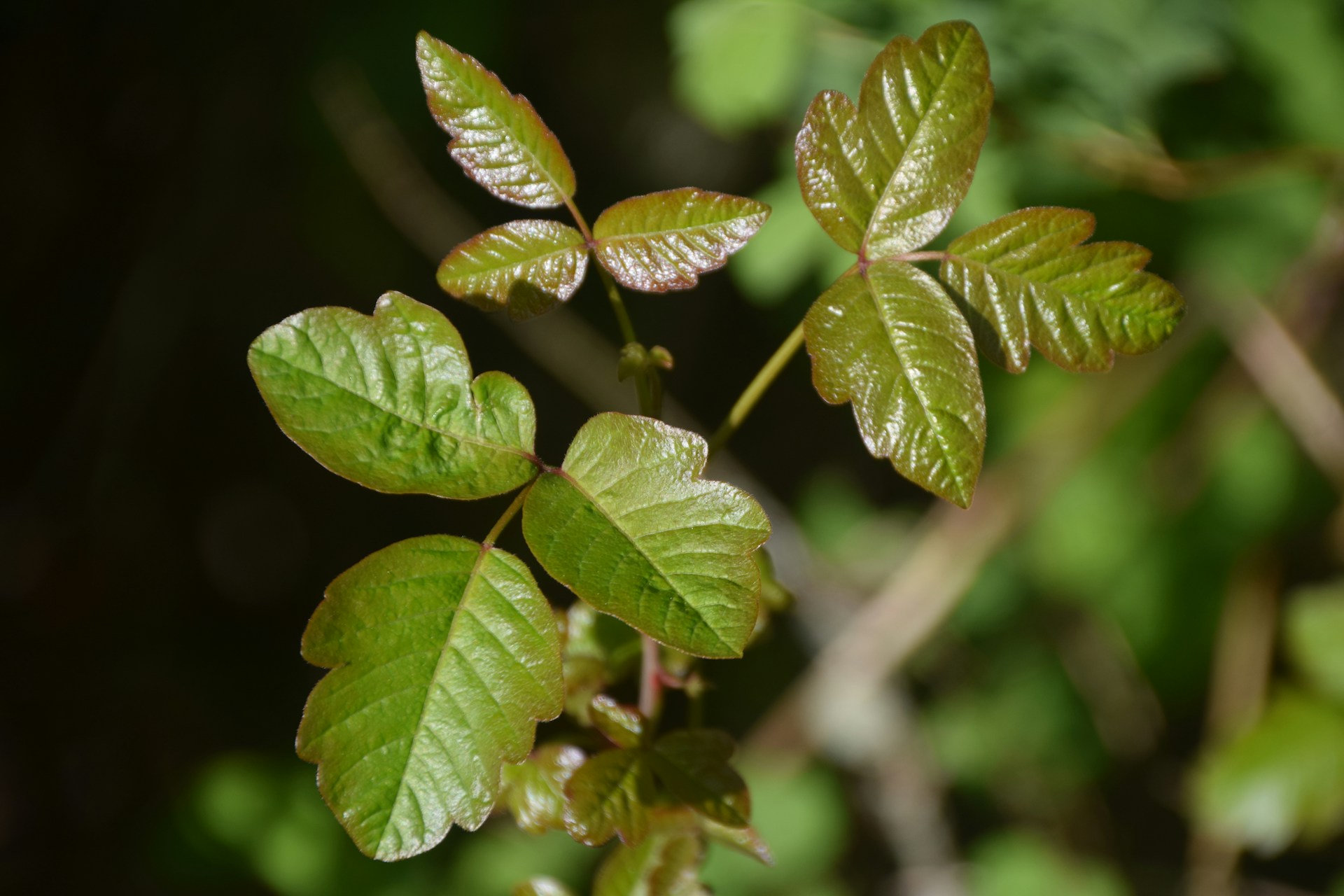
There’s an old rhyme about poison ivy: “leaves of three, let it be.” The reason this rhyme exists is that poison ivy commonly grows in groups of three. Poison ivy can appear as:
A climbing vine on trees
As a small shrub along trails
In clusters of three shiny leaves
It appears green in the spring and summer months, and will begin turning red or orange in the fall. Poison ivy produces white flowers in the late summer months and sometimes produces small white berries.
Your child does NOT have to be a wildlands expert to recognize poison ivy. Point it out casually while walking rather than telling your child it’s something to fear. Typically, children are more able to remember information when presented in a fun manner.
The Rash Does Not Spread In The Manner Parents Believe
Many parents believe that the rash caused by poison ivy is contagious. This is simply untrue. The rash itself cannot be spread from child to child. What causes the allergic reaction is an oily substance called urushiol present in poison ivy.
Urushiol remains on clothing, footwear, sports equipment, pet hair/fur, backpacks etc… So if your child comes into contact with poison ivy and then grabs their t-shirt later, they could potentially expose themselves again. Therefore, washing anything your child comes into contact with after having been outside is vital.
Additionally, pets can also transport the oily residue onto items such as clothing without experiencing the effects themselves. As a parent, I know this now, but didn’t initially.
The Best Thing You Can Do After Exposure Is Wash Quickly
Timing plays a significant role in prevention. If your child’s skin is washed within approximately 10-15 minutes of contact with poison ivy, they might avoid breaking out altogether or at least minimize the severity of the outbreak. Even after that initial window, washing still helps.
To wash effectively use:
Cold Water
Mild soap
Scrubbing thoroughly around fingernails
Do not immediately immerse yourself under hot water as this can open your pores further and exacerbate irritation on the skin.
I always perform a quick “poison ivy check” for my kids upon returning from wooded areas prior to allowing them to relax in the evening. At first glance, it may seem extreme; however, I can attest that it has prevented outbreaks numerous times.
Do Not Panic When Any Rashes Appear
Although poison ivy can create a rash that appears extremely unpleasant (red streaks, swelling, bumps & blisters), for most minor cases, treatment can occur at home.
Some common remedies used to alleviate symptoms include:
Calamine lotion
Cool compresses
Oatmeal baths
Hydrocortisone cream
Antihistamines (usually taken before bed) if itching keeps your child awake.
Perhaps the most difficult thing to manage is preventing your child from scratching. Shortening your child’s nail length dramatically reduces the likelihood of developing painful scratches.
One of my earliest mistakes was dressing my child’s rash too tightly and using thick fabric which irritated the area causing more itching. Using loose-fitting cotton clothing greatly helped.
Understand When Medical Help May Be Necessary
While most poison ivy resolves itself in a couple weeks, there are certain situations where medical attention should be sought.
Contact your pediatrician if:
The rash appears near the eyes or face.
Severe swelling occurs.
Your child experiences a fever.
Your child is experiencing difficulty breathing.
The rash begins spreading rapidly.
Your child begins showing signs of an infection due to excessive scratching.
Some children are far more reactive to poison ivy than others. In some instances, a single exposure results in an entire body covered in angry red splotches.
Be Proactive With Prevention
With each subsequent battle with poison ivy, parents often become more proactive. Several methods exist for reducing the potential for exposure including:
Using long pants for hiking.
Wearing closed shoes instead of sandals.
Taking immediate showers after outdoor activities.
Separating washing of outdoor garments.
Applying barrier creams prior to camping or hiking.
Truthfully though, kids are going to go exploring regardless. They’re going to go chasing after frogs, building forts and wandering down paths. These are essential aspects of childhood.
What you want to achieve isn’t to scare your children from enjoying nature; you merely want to help ensure they enjoy it without requiring them to endure hours of itching and blistering afterwards.
Conclusion
Dealing with poison ivy is one of those inevitable challenges associated with raising children who spend considerable amounts of time outdoors.