

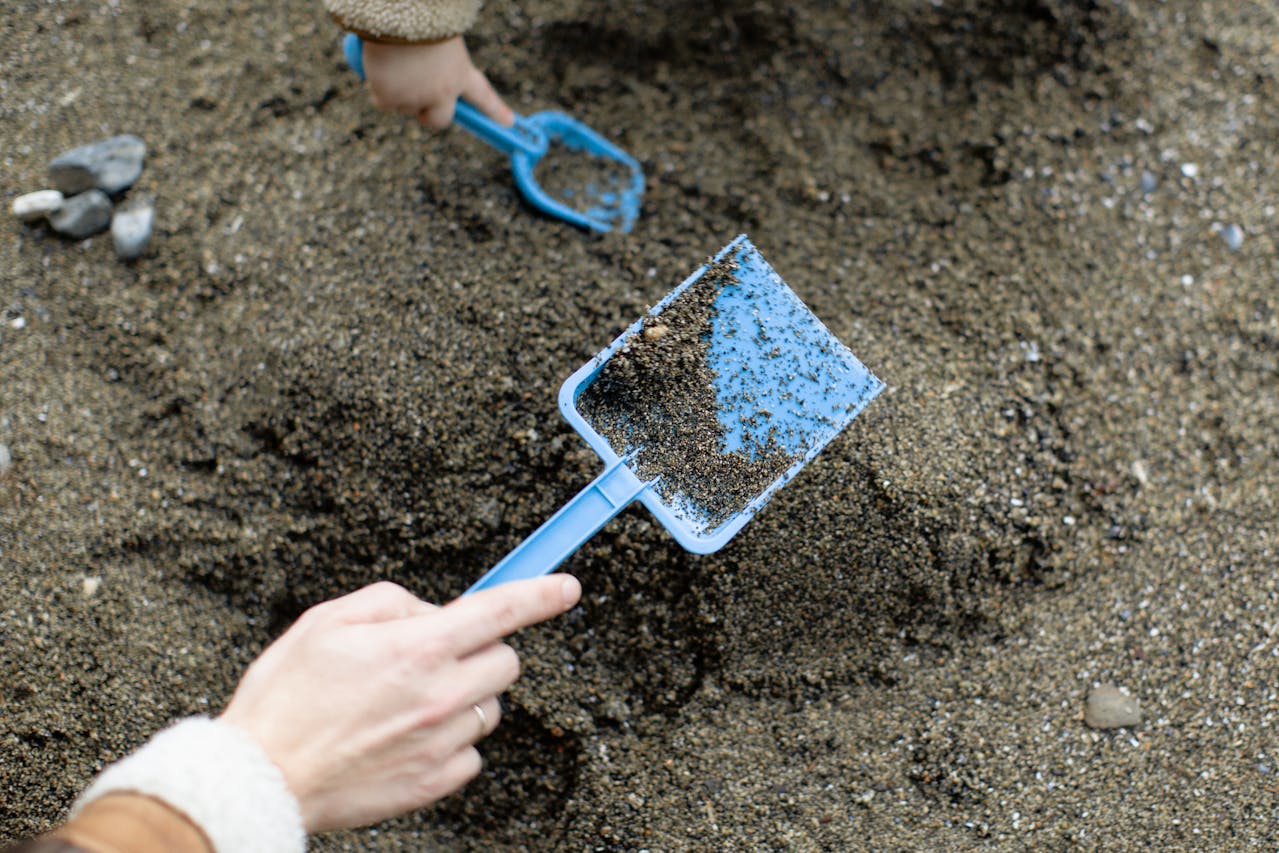
Ensuring Children Are Safe When Digging in the Sand at the Beach
I love the beach. I love taking my kids to the beach. Going to the beach can be a magical experience for children. The warmth of the sun, the waves, and the miles of open sandy space offer a great environment for children’s creative expression and exploration. Creating sand castles, building tunnels, and searching for shells are long-standing traditions that promote imaginative play and family bonding. However, even though it is so much fun, the beach offers several hidden dangers when children begin to dig in the sand. As such, parents and caregivers need to be aware of safety guidelines to ensure that children continue to have fun and stay accident-free during this type of play.
Understanding Potential Dangers of Digging in the Sand
Digging in the sand may appear innocuous; however, there are some possible dangers associated with this activity. A tunnel or hole can collapse suddenly and potentially entrap or suffocate a child. There is also the possibility of injury from a sharp shell, broken glass or trash buried beneath the surface of the sand. Additionally, although the sand appears to be soft, if it becomes packed down at the bottom of deep holes it can act as a solid and possibly trap a child. Finally, prolonged exposure to the sun raises the likelihood of sunburn and dehydration in children. Knowing what types of risks exist for children is an important first step in preventing accidents.
Safety Guidelines For Digging and Play At the Beach
Setting Boundaries
Identify a designated area where your child can dig and play, located outside of the reach of the waterline and any steep dune faces. Identify restricted areas and explain why certain areas cannot be entered by your child. This will help protect your child from strong currents and unanticipated drop-offs.
Supervising
Regardless of how self-sufficient you believe your child may be, adult supervision is required. Watch your child at all times while he/she digs and plays, particularly if your child creates holes that are relatively deep. Having someone close allows for prompt action if a hole collapses.
Promoting Safe Digging Techniques
Deeper holes represent greater dangers than shallower holes. If your child wishes to create deeper holes, encourage him/her to construct wider tunnels rather than narrower, deeper pits. Because a wider tunnel reduces the likelihood of a sudden cave-in, teaching children to dig progressively (gradually) and not underneath another child’s tunnel is critical.
Be Aware of Hidden Dangers
Check the sand before allowing children to begin their digging games. Inspect for sharp shells, broken glass or trash, and then pick out these items. Wearing water shoes or sandals can also minimize injuries from objects embedded within the sand.
Protecting From Sun Exposure and Dehydration
Children tend to neglect drinking water because they become engrossed in their play activities, and excessive exposure to the sun can rapidly produce overheating conditions. To avoid excessive sun exposure, make sure your child has worn a hat and applied sunscreen periodically throughout his/her time spent outdoors. Also remember to provide your child with plenty of water throughout their visit to the beach. Providing breaks in shaded areas helps prevent children from becoming exhausted and/or developing heat-related illness.
Educate Your Child to Fill-In His/Her Holes
Instruct your child to refill any holes created after completing their digging games. Filling-in holes does not only contribute to tidiness; it also provides a means of protecting other children and adults who may unknowingly fall into one of these holes.
Converting Safety Into an Opportunity for Fun
Safety does not have to be restrictive to creativity. Incorporating safety into playful activities can actually be a positive learning experience for children. You could transform filling-in holes into a game or challenge your child to design tunnels wide enough for safe crawling-through. Educationally informing children about safe methods of digging can empower them while they have fun.
Closing Remarks
Playtime at the beach should consist of laughter, imagination, and unforgettable experiences — not injuries. By being cognizant of possible dangers and utilizing easy-to-implement safety precautions, parents can ensure their children are able to spend quality time engaging in creative digging games in the sand without putting themselves at risk. Establishing boundaries regarding acceptable digging sites, supervising children constantly, providing education on proper digging techniques, identifying potential hidden hazards, and taking necessary precautions against excessive sun exposure and dehydration will allow families to create wonderful memories together while minimizing potential mishaps.
There is no substitute for witnessing a child’s excitement when their imagination transforms a large mound of sand into either a castle, tunnel system or treasure chest. By maintaining close watchful eyes on your children during their visits to the beach, establishing reasonable digging restrictions and educating them on proper digging techniques, families will be able to enjoy countless hours of exciting memory-making together.