Many people have mild seasonal pollen allergies. My oldest daughter does, and I do too. But for children with more severe allergies or asthma, the thought of traveling somewhere new may seem stressful. Below are five tips to help make sure your child has a comfortable and safe vacation that is not stressful to you, the parent.
- If your child seems to have lots of allergies, schedule an appointment with an allergy doctor. The allergy doctor can figure exactly what the child is allergic to, and what the child is not allergic to. By knowing what triggers the allergies, you can try to reduce exposure to those allergens. If there are food allergies, knowing exactly what the child can and cannot safely eat is very important.
- If your child has severe allergies to pollen or mold, then consider your vacation destinations with this in mind. With these types of allergies, to reduce the symptoms while on vacation, consider a few things. Sleeping with air-conditioning is better than sleeping outdoors (camping). Trips to locations such as: beach or desert have fewer pollen allergies than forest, national park, or rainforest vacations. Damp, humid climates have more mold than cold, dry climates.
- If your child has food allergies, it is important to know exactly which foods and food ingredients they must avoid. When ordering food at a restaurant, make sure to tell the waiter about the allergy – do not assume the food is ok for your child. Sometimes food has unexpected ingredients. If your child’s food allergies make eating at restaurants difficult at home, then it will likely be difficult when traveling. Plan to stay at a hotel with a kitchen, or an air B&B with a kitchen, or with relatives so that you can go grocery shopping and prepare your own foods. When traveling to a country with a different language, make sure to know that names of the foods your child cannot eat in that language.
- If there are feather allergies, then at your hotel, request pillows and blankets with no feathers. Make this request in advance so that in case your child is tired when you arrive, they can sleep right away and not need to wait for someone at the hotel to find alternate pillows.
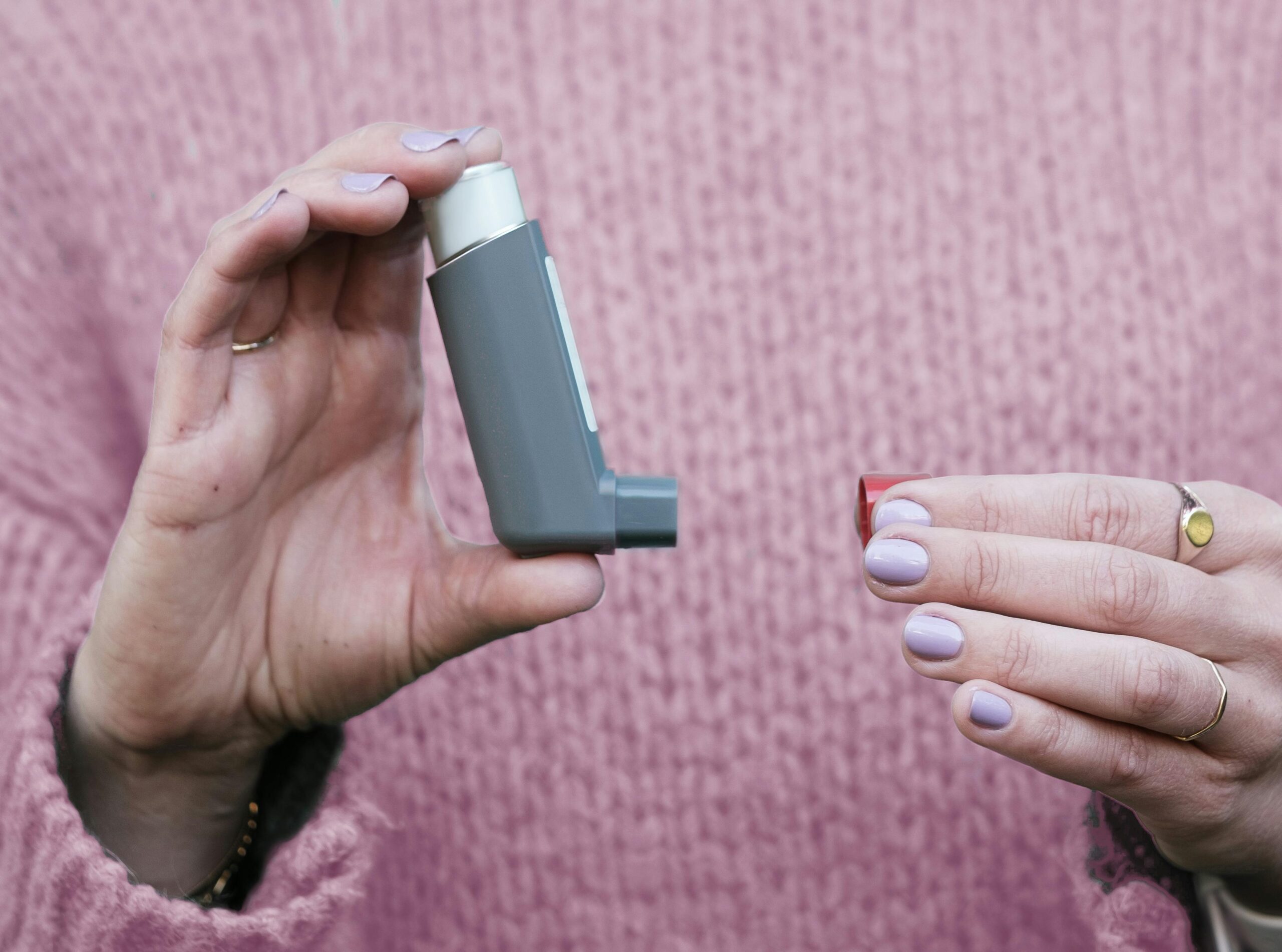
Check your child’s supply of medications. You may need to refill before your trip. Make sure you have sufficient allergy pills, epipen, inhaler, and anything else they may need. Try not to lose any of these on your trip. But before traveling, look up the location of a nearby pharmacy where you could replenish if needed – this is especially important when traveling to more remote areas.